
SaaS businesses live and breathe data. Every click, subscription, churn event, and upgrade tells a story. Yet, many companies still operate on gut instinct instead of facts. That gap is where the real cost lies.
Data Analytics for SaaS Companies isn’t just a “nice-to-have” anymore—it’s the backbone of sustainable growth. Ignore it, and you’re not just missing opportunities; you’re actively losing revenue, customers, and competitive edge.
Let’s break down what’s really at stake.
SaaS is fundamentally different from traditional business models. Revenue is recurring, customer relationships are long-term, and success depends on continuous optimization.
Without Data Analytics for SaaS Companies, you’re essentially flying blind.
Think about it:
If the answer is “not really,” then your data isn’t working for you.
Relying only on internal dashboards limits your understanding of the market, while broader data insights help businesses make smarter and more confident decisions. “broader data insights help businesses make smarter and more confident decisions”
Modern SaaS leaders rely heavily on data-driven SaaS growth strategies. They don’t guess—they test, measure, and iterate.
They know:
At first glance, skipping analytics might seem harmless. You’re saving time, money, and resources, right?
Not quite.
Without proper Data Analytics for SaaS Companies, revenue leaks quietly in the background.
Examples:
Even a small churn increase—say 2–3%—can compound into massive losses over time.
When teams lack insights, decisions become opinion-driven.
You might:
A solid SaaS data strategy prevents this by aligning product decisions with real user data.
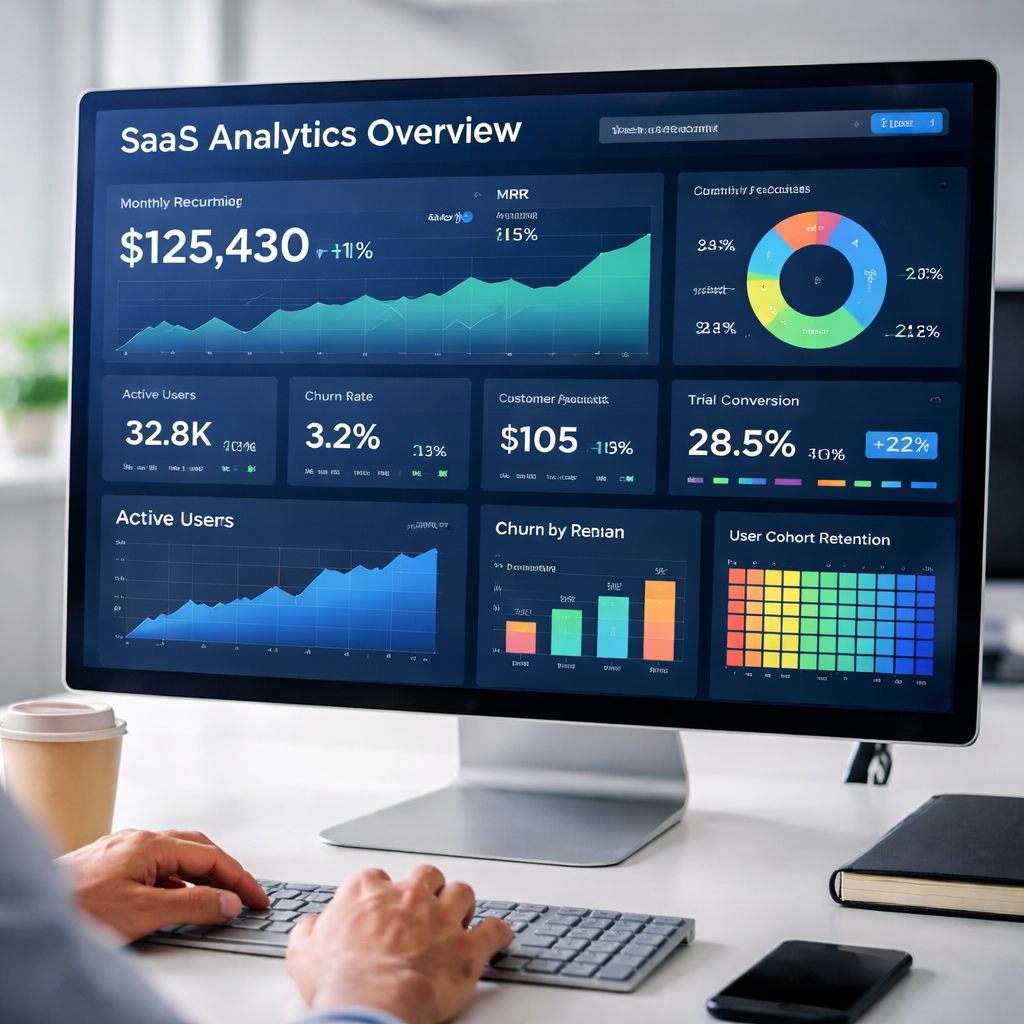
Marketing without analytics is like burning money slowly.
Without business intelligence for SaaS, you won’t know:
That means higher costs and lower ROI.
Performance optimization isn’t just about speed—it’s about improving every metric that matters.
With Data Analytics for SaaS Companies, you can:
Without it, you’re stuck guessing what works.
Many companies think they’re “doing analytics” because they have dashboards.
That’s not enough.
Real Data Analytics for SaaS Companies goes deeper.
You need visibility across:
Disconnected data leads to fragmented decisions.
A dashboard is only useful if it leads to action.
Strong analytics answers:
That’s the difference between data collection and true insight.
Choosing the right SaaS analytics tools is critical.
These tools help:
But tools alone aren’t enough. Strategy and interpretation matter more.
Let’s look at a simple comparison.
They launch features based on assumptions. Marketing campaigns run without clear tracking. Churn is rising, but no one knows why.
Result:
They invest in Data Analytics for SaaS Companies early.
They:
Result:
The difference isn’t effort—it’s insight.
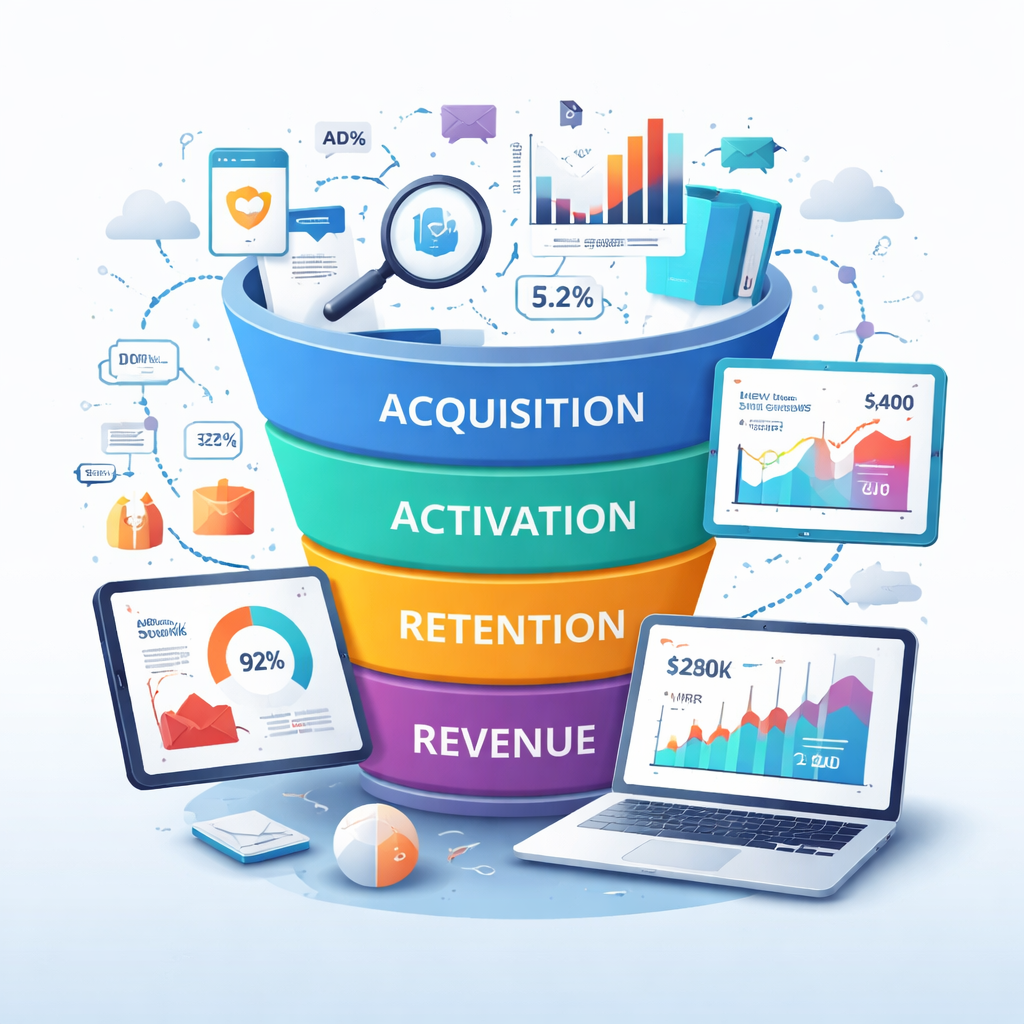
A successful SaaS data strategy doesn’t happen overnight. It requires intentional planning.
Start with key metrics:
Focus on what directly impacts growth.
Scattered data leads to confusion.
Bring everything into one ecosystem:
This is where business intelligence for SaaS becomes powerful.
Data without action is wasted potential.
Examples:
Even companies that invest in analytics often make critical mistakes.
Too many metrics, too many dashboards, too little clarity.
Keep it simple:
Focus on actionable insights.
Trying to do everything in-house can slow you down.
This is where working with experts can help. A specialized analytics partner can accelerate your growth curve significantly.
If you’re exploring how to implement this effectively, check out the services offered.
Insights lose value over time.
If your data shows a problem today and you act next quarter, you’ve already lost ground.
The SaaS market is crowded. Differentiation is tough.
Data Analytics for SaaS Companies gives you an edge by helping you:
It turns your data into a strategic asset.
Data by itself doesn’t create value. Transformation does.
When done right, Data Analytics for SaaS Companies helps you:
If you want to see how raw data can be transformed into real business outcomes, explore this case-based breakdown: Transforming Raw Data into Business Gold: Success Stories from Data Analytics
Business intelligence for SaaS takes analytics a step further.
It helps leadership teams:
This is where data moves from operational to strategic.
Short answer: earlier than you think.
Many founders wait until problems appear. That’s already late.
You should invest in Data Analytics for SaaS Companies when:
Early insights prevent expensive mistakes later.
Ignoring analytics doesn’t just slow growth—it creates hidden inefficiencies across your entire business.
The smarter approach is proactive.
Start building your analytics capability now, not when problems become visible.
If you’re ready to take a structured approach, you can reach out directly here: Contact Us.
Every SaaS company collects data. Very few actually use it well.
That gap is where the opportunity—and the risk—lives.
Data Analytics for SaaS Companies is no longer optional. It’s the difference between guessing and knowing, between reacting and leading.
The companies that win are the ones that treat data as a core asset, not an afterthought.
Because SaaS businesses depend on recurring revenue, even small changes in user behavior can have a major financial impact. Data Analytics for SaaS Companies helps you track key metrics like retention, churn, and customer lifetime value in real time. This allows you to identify what’s working, fix what’s not, and make proactive decisions instead of reacting too late. Over time, this directly improves profitability and long-term stability.
The best tools depend on your tech stack and business model, but most SaaS companies start with a mix of product analytics, CRM analytics, and marketing attribution tools. These help you understand user behavior, sales performance, and acquisition channels. The real value comes from integrating these tools so your data flows seamlessly across systems, giving you a unified view instead of isolated reports.
A well-defined SaaS data strategy ensures that every metric you track is tied to a business goal—whether it’s increasing retention, reducing churn, or improving conversions. Instead of chasing vanity metrics, you focus on actionable insights that drive results. This alignment enables consistent data-driven SaaS growth, where decisions are backed by evidence, experiments are measured properly, and scaling becomes more predictable and efficient.
