Analytics for Sustainability: Tracking ESG Metrics With Data Platforms

Table of Contents


Sustainability is no longer a side initiative reserved for annual reports or brand positioning. Today, it sits at the heart of strategic decision-making for organizations across industries. Investors, regulators, customers, and employees now expect transparency, accountability, and measurable impact. This shift has elevated the importance of Analytics for Sustainability, enabling organizations to transform complex environmental, social, and governance commitments into actionable insights powered by data.

Modern enterprises generate massive volumes of operational, financial, and supply-chain data. When structured and analyzed effectively, this information becomes the foundation for responsible growth. Analytics for Sustainability bridges the gap between raw data and meaningful ESG outcomes, helping organizations track progress, reduce risk, and align sustainability goals with business performance.

This article explores how data platforms are reshaping ESG strategies, improving ESG metrics tracking, and enabling automation, visibility, and confidence in sustainability reporting. You will also learn how advanced analytics frameworks support compliance, performance benchmarking, and long-term value creation in a rapidly evolving regulatory and economic environment.

Understanding the Role of Analytics in Sustainability

At its core, sustainability analytics focuses on collecting, integrating, and analyzing data related to environmental impact, social responsibility, and governance practices. Traditional sustainability efforts often relied on manual data collection, spreadsheets, and fragmented reporting. This approach made it difficult to scale, validate, or audit ESG initiatives.

Analytics for Sustainability introduces a structured, data-driven model that aligns sustainability efforts with enterprise analytics practices. By integrating ESG data into centralized platforms, organizations gain real-time visibility and control over sustainability performance.

Why Data-Driven Sustainability Matters

Data-driven sustainability allows organizations to move from intention to execution. Instead of relying on assumptions, leaders can evaluate sustainability initiatives using measurable indicators. This improves decision-making, accountability, and stakeholder trust.

Key benefits include:

  • Consistent measurement of ESG performance

  • Reduced reporting errors and data gaps

  • Faster insights into sustainability risks and opportunities

  • Improved alignment with regulatory requirements

By leveraging analytics, sustainability becomes measurable, manageable, and scalable.

ESG Metrics Tracking: From Complexity to Clarity

One of the biggest challenges organizations face is managing the sheer volume and diversity of ESG data. ESG metrics tracking involves monitoring indicators such as carbon emissions, energy usage, employee diversity, supply-chain ethics, and governance controls.

Without a structured analytics framework, ESG data remains fragmented across departments and systems. Analytics for Sustainability simplifies this complexity by standardizing metrics and integrating them into unified data models.

Key ESG Metric Categories

Organizations typically track ESG metrics across three core dimensions:

Environmental metrics

  • Greenhouse gas emissions

  • Energy and water consumption

  • Waste generation and recycling rates

Social metrics

  • Workforce diversity and inclusion

  • Health and safety performance

  • Community engagement and labor practices

Governance metrics

  • Board diversity and independence

  • Risk management policies

  • Ethical compliance and transparency

Advanced analytics platforms consolidate these metrics into a single source of truth, enabling consistent analysis and reporting.

Analytics for Sustainability


Sustainability Data Platforms: The Backbone of ESG Analytics

Sustainability data platforms serve as the foundation for collecting, managing, and analyzing ESG data. These platforms integrate data from internal systems, suppliers, sensors, and third-party sources into a centralized analytics environment.

Analytics for Sustainability depends on robust platforms that ensure data accuracy, traceability, and scalability. Without the right infrastructure, sustainability analytics cannot deliver reliable insights.

Essential Features of Sustainability Data Platforms

Effective sustainability data platforms offer:

  • Automated data ingestion from multiple sources

  • Data validation and quality controls

  • Configurable ESG frameworks and standards

  • Secure data governance and audit trails

Platforms that align sustainability analytics with enterprise data strategies ensure ESG initiatives are embedded into everyday operations, not treated as isolated projects.

Environmental Social Governance Analytics in Action

Environmental social governance analytics transforms ESG data into insights that guide strategic decisions. Rather than producing static reports, analytics enables continuous performance monitoring and predictive analysis.

For example, emissions analytics can identify inefficiencies in energy usage, while workforce analytics can reveal trends related to employee engagement and retention. Governance analytics can highlight compliance gaps before they become regulatory risks.

Many organizations align their sustainability analytics with globally recognized frameworks such as the Global Reporting Initiative (GRI) to ensure consistency, transparency, and credibility in ESG disclosures.

Analytics for Sustainability empowers leadership teams to act proactively rather than reactively.

Real-World Applications

Organizations use ESG analytics to:

  • Identify emissions hotspots across operations

  • Evaluate supplier sustainability performance

  • Monitor compliance with ESG regulations

  • Assess long-term sustainability risks

Authoritative organizations such as the Global Reporting Initiative provide widely accepted ESG frameworks that analytics platforms can integrate into reporting workflows.

ESG Reporting Automation: Accuracy at Scale

Manual ESG reporting is time-consuming, error-prone, and difficult to audit. ESG reporting automation addresses these challenges by automating data aggregation, validation, and report generation.

By integrating ESG data directly into reporting templates, organizations reduce the risk of inconsistencies and improve reporting efficiency. Analytics for Sustainability plays a critical role by ensuring reports are based on accurate, real-time data.

Benefits of ESG Reporting Automation

Automated ESG reporting delivers:

  • Faster reporting cycles

  • Improved data consistency across reports

  • Easier compliance with evolving regulations

  • Reduced administrative burden on teams

Automation also improves stakeholder confidence by ensuring ESG disclosures are transparent and verifiable.

Corporate Sustainability Dashboards: Turning Data Into Decisions

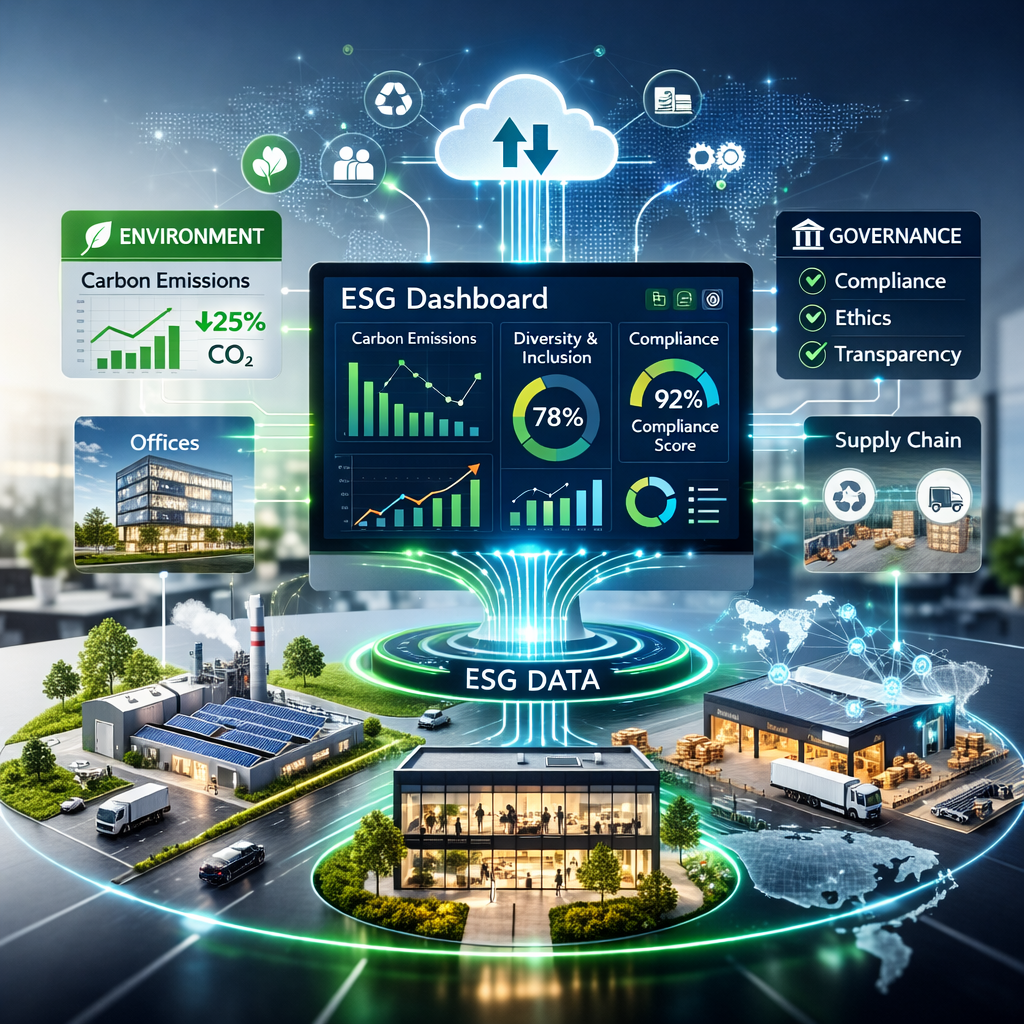
Corporate sustainability dashboards provide a visual representation of ESG performance. These dashboards allow executives and sustainability teams to monitor key indicators at a glance and drill down into underlying data.

Analytics for Sustainability transforms dashboards from static visuals into interactive decision-support tools.

What Effective Dashboards Include

High-impact sustainability dashboards typically feature:

  • Real-time ESG performance indicators

  • Trend analysis and benchmarks

  • Alerts for threshold breaches

  • Custom views for different stakeholders

Dashboards help organizations communicate progress internally and externally while supporting faster, data-driven decisions.

Analytics for Sustainability


Aligning Sustainability Analytics With Business Strategy

Sustainability analytics delivers the greatest value when aligned with broader business objectives. When ESG metrics are integrated into enterprise performance management, sustainability becomes a driver of innovation and resilience.

Organizations that embed Analytics for Sustainability into strategic planning can evaluate trade-offs, prioritize investments, and measure long-term value creation.

Strategic Alignment Benefits

When sustainability analytics aligns with business strategy, organizations achieve:

  • Improved risk management

  • Stronger investor confidence

  • Enhanced brand reputation

  • Long-term operational efficiency

By connecting ESG outcomes to financial and operational performance, sustainability becomes a core business capability.

Data Governance and Trust in ESG Analytics

Trust is essential in sustainability reporting. Stakeholders expect ESG data to be accurate, auditable, and transparent. Data governance ensures ESG analytics meets these expectations.

Analytics for Sustainability relies on governance frameworks that define data ownership, quality standards, and access controls.

Governance Best Practices

Effective ESG data governance includes:

  • Clear accountability for data ownership

  • Documented data definitions and standards

  • Regular data quality audits

  • Secure access and version control

Strong governance protects organizations from reputational and regulatory risks.

Overcoming Common ESG Analytics Challenges

Despite its benefits, sustainability analytics presents challenges. Data silos, inconsistent standards, and limited analytics maturity can slow progress.

Organizations can overcome these challenges by adopting scalable data platforms, aligning teams, and investing in analytics expertise. Analytics for Sustainability succeeds when technology, processes, and people work together.

Trusted guidance from institutions such as the World Economic Forum highlights the importance of standardized ESG data practices and cross-industry collaboration.

The Future of Analytics for Sustainability

The future of sustainability analytics lies in predictive and prescriptive capabilities. Advanced analytics, machine learning, and scenario modeling will enable organizations to anticipate sustainability risks and opportunities before they emerge.

Analytics for Sustainability will increasingly support climate risk modeling, supply-chain resilience, and long-term scenario planning. As regulations and stakeholder expectations evolve, analytics will remain the foundation for credible ESG strategies.

Organizations that invest early in sustainability analytics will be better positioned to adapt, innovate, and lead.

How Engine Analytics Supports Sustainability Goals

Engine Analytics helps organizations design, implement, and scale data platforms that support ESG initiatives. By integrating sustainability data into enterprise analytics ecosystems, businesses gain clarity, control, and confidence.

Explore how our analytics capabilities support sustainability initiatives by visiting our  services page. To discuss your sustainability analytics needs, reach out through our contact page.

You can also learn more about our approach to data-driven transformation on the Engine Analytics .

Conclusion: Turning ESG Data Into Sustainable Impact

Sustainability is no longer optional. Organizations must demonstrate measurable progress, transparency, and accountability. Analytics for Sustainability provides the tools and insights needed to transform ESG commitments into measurable outcomes.

By investing in robust data platforms, automated reporting, and advanced analytics, organizations can align sustainability with business success. The journey toward sustainable growth starts with trusted data and actionable insights.

Discover how Engine Analytics can help you build a scalable, data-driven sustainability strategy.

Here’s Some Interesting FAQs for You

Analytics for Sustainability is the practice of using data analytics tools and techniques to track, evaluate, and improve an organization’s environmental, social, and governance (ESG) performance. Instead of relying on manual reports or assumptions, businesses use structured data to measure factors such as carbon emissions, energy usage, workforce diversity, ethical practices, and governance controls.

By applying analytics, organizations can transform raw ESG data into meaningful insights that support smarter decision-making. This approach enables leaders to identify trends, uncover risks, monitor progress against sustainability goals, and align ESG initiatives with overall business strategy. Ultimately, analytics makes sustainability measurable, transparent, and actionable rather than theoretical.

Sustainability data platforms act as centralized systems that collect and manage ESG data from multiple sources, including operations, supply chains, HR systems, and external partners. These platforms replace fragmented spreadsheets and manual processes with automated data pipelines and standardized frameworks.

By automating data validation and reporting workflows, sustainability data platforms significantly reduce errors and inconsistencies in ESG disclosures. They also make it easier to align reporting with regulatory requirements and global ESG standards. As a result, organizations can produce more accurate, timely, and auditable ESG reports while reducing the administrative burden on sustainability and compliance teams.

Corporate sustainability dashboards provide a visual, real-time view of ESG performance across the organization. They bring key sustainability metrics—such as emissions levels, social impact indicators, and governance compliance—into a single, easy-to-understand interface.

These dashboards help leaders quickly assess progress, identify emerging risks, and spot performance gaps without digging through complex reports. By enabling drill-down analysis and trend tracking, sustainability dashboards support faster, more informed decision-making. They also improve internal alignment and external communication by making sustainability performance transparent and easy to interpret.