Data Engineering in 2026: Building Scalable, AI-Ready Systems

Table of Contents


Introduction: Why Data Engineering Is Entering a New Era

Data is no longer a byproduct of digital operations. It is the backbone of modern enterprises, powering analytics, automation, and artificial intelligence. As organizations prepare for the next wave of innovation, Data Engineering in 2026 stands at the center of transformation. Businesses are no longer asking whether they need data engineering, but how to design systems that scale, adapt, and support AI-driven use cases without collapsing under complexity.

The expectations placed on data platforms have changed dramatically. Real-time insights, machine learning readiness, regulatory compliance, and cost efficiency must coexist within a single ecosystem. Traditional pipelines and static architectures are struggling to keep pace. Data engineers are now architects of intelligent systems rather than custodians of data movement.

This article explores how data engineering is evolving, what modern systems must deliver, and how organizations can prepare scalable, AI-ready foundations for the future.

The Evolving Role of Data Engineering

Data engineering has moved far beyond building pipelines and managing databases. Data Engineering in 2026 is about enabling continuous intelligence across the organization.

Modern data engineers are responsible for:

  • Designing resilient architectures

  • Supporting AI and advanced analytics

  • Ensuring trust, quality, and governance

  • Enabling fast and reliable access to data

This shift reflects the growing strategic importance of data infrastructure as a competitive differentiator.

AI vs Data Engineering: Complementary, Not Competing

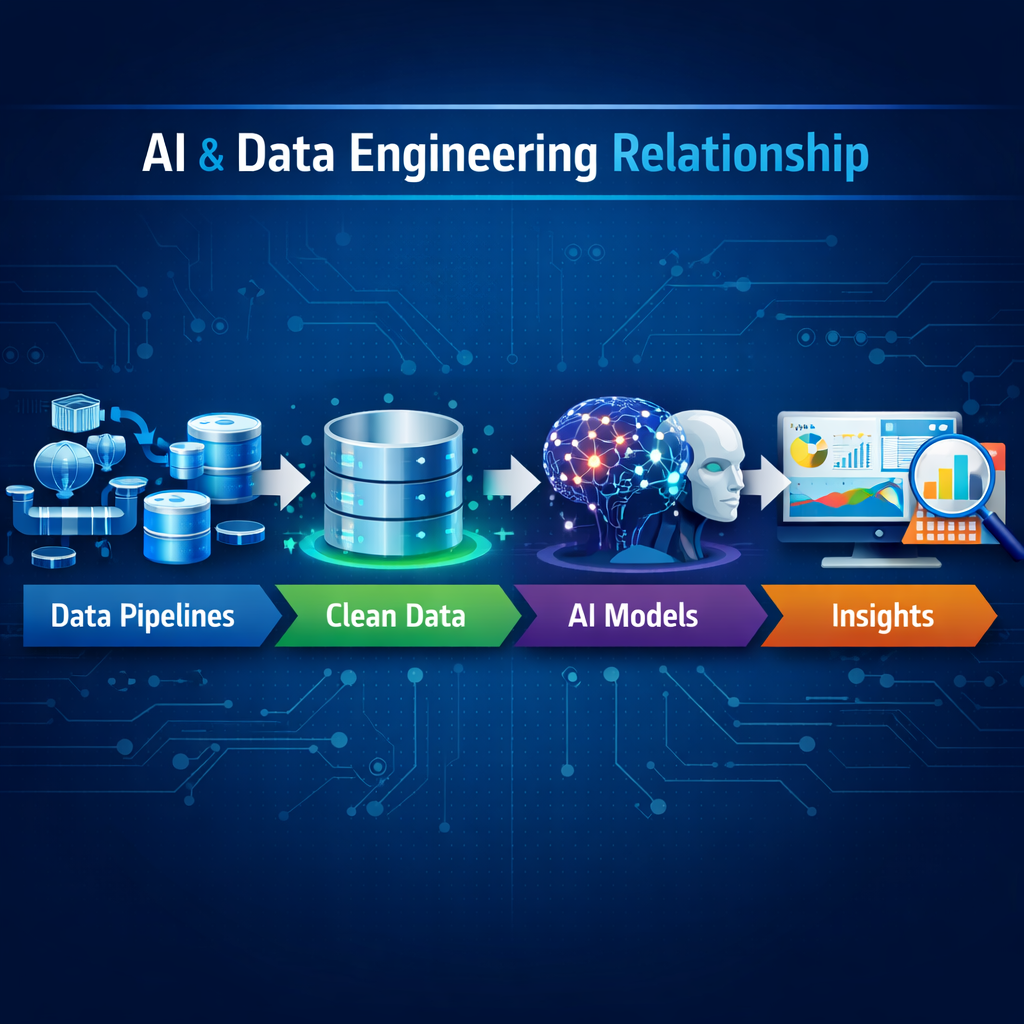
The debate around AI vs Data Engineering often creates confusion. AI captures attention, but data engineering makes AI possible. Without reliable data pipelines, AI models fail to deliver value.

AI systems depend on:

  • Clean, timely, and well-structured data

  • Scalable ingestion and transformation processes

  • Strong data governance and lineage

In Data Engineering in 2026, the focus is on building platforms that serve both analytical and AI workloads seamlessly. AI amplifies the importance of data engineering rather than replacing it.

Modern Data Infrastructure as the Foundation

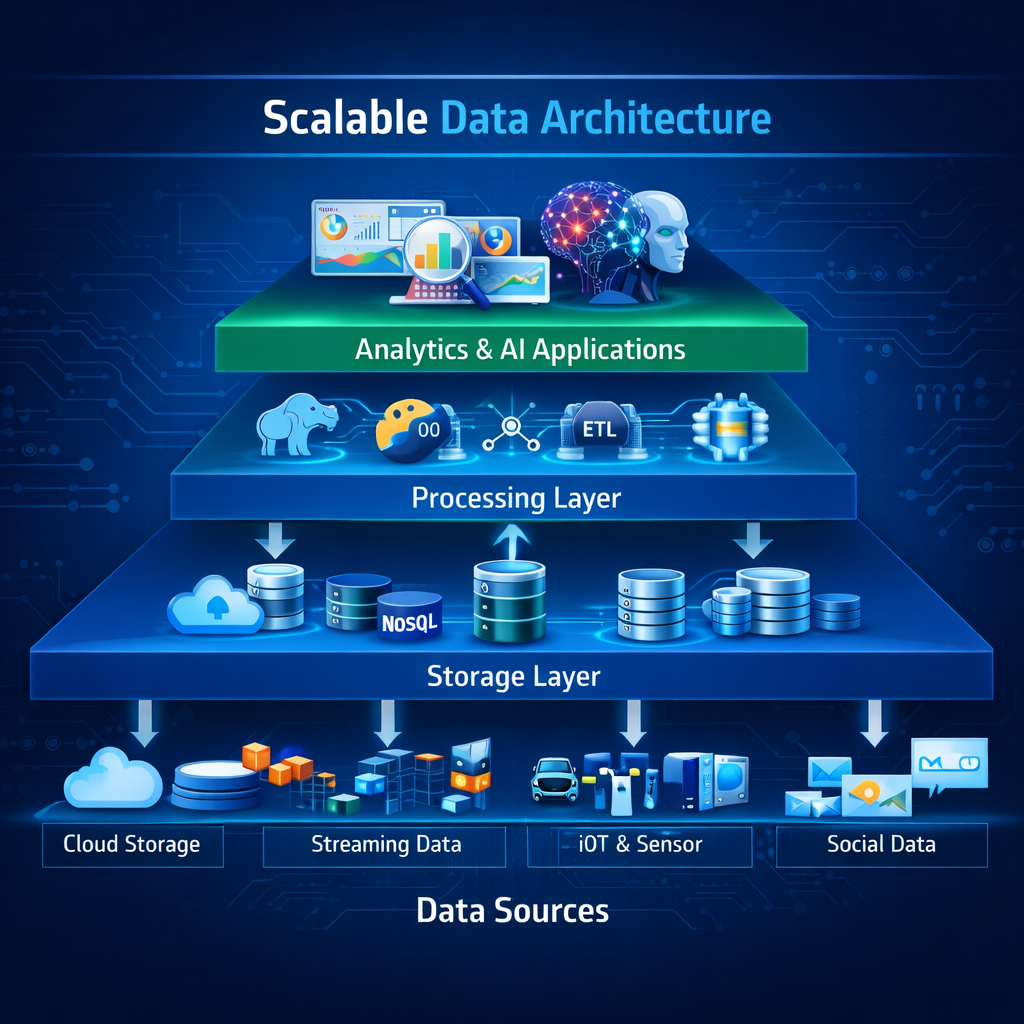
A robust Modern Data Infrastructure is essential for supporting analytics, AI, and operational workloads simultaneously. Monolithic systems are giving way to modular, cloud-native architectures.

Key characteristics include:

  • Cloud scalability and elasticity

  • Separation of storage and compute

  • Support for batch and real-time processing

  • Integration with AI and ML platforms

Organizations investing in flexible infrastructure gain the ability to adapt as data demands evolve.

Data Engineering in 2026


Designing Scalable Data Architecture for Growth

Scalability is not optional. Scalable Data Architecture ensures systems perform reliably as data volumes, users, and use cases expand.

Effective scalable architectures:

  • Handle growth without major redesigns

  • Optimize performance and cost

  • Support diverse workloads

Designing for scale from the beginning reduces long-term risk and technical debt.

Data Pipelines and ETL in a Real-Time World

Data Pipelines and ETL processes are becoming more dynamic and event-driven. Static, overnight batch jobs no longer meet business expectations.

Modern pipelines emphasize:

  • Near real-time ingestion

  • Incremental processing

  • Fault tolerance and observability

Streaming platforms and orchestration tools enable continuous data flow, supporting faster insights and AI training cycles.

The Rising Importance of Data Quality and Governance

As data becomes more widely used, trust becomes critical. Data Quality and Governance are no longer compliance-only concerns; they directly impact business performance.

Strong governance frameworks ensure:

  • Accurate and consistent data

  • Clear ownership and accountability

  • Compliance with evolving regulations

In Data Engineering in 2026, governance is embedded into pipelines rather than applied afterward.

AI-Ready Systems Require Engineering Discipline

AI-ready systems are not defined by tools but by engineering rigor. Data Engineering in 2026 prioritizes reliability, reproducibility, and transparency.

AI-ready platforms provide:

  • Versioned datasets

  • Lineage tracking

  • Automated quality checks

These capabilities reduce risk and accelerate AI deployment across teams.

Balancing Flexibility and Control in Data Platforms

Organizations must balance agility with stability. Too much flexibility leads to chaos, while excessive control slows innovation.

Successful data platforms:

  • Enable self-service analytics

  • Enforce standards programmatically

  • Provide clear usage guidelines

This balance allows teams to innovate without compromising reliability.

Data Engineering in 2026


Cost Optimization as a Core Engineering Skill

Cloud-native systems offer scalability, but unmanaged growth leads to rising costs. Data Engineering in 2026 treats cost optimization as a design principle.

Strategies include:

  • Efficient data storage tiers

  • Smart compute scheduling

  • Monitoring usage patterns

Cost-aware engineering ensures sustainability as data usage expands.

Security and Privacy by Design

Security is integral to modern data systems. Data Engineering in 2026 embeds privacy and protection into architecture decisions.

Key practices include:

  • Encryption at rest and in transit

  • Role-based access control

  • Auditable data access

Proactive security builds trust with customers and regulators alike.

Supporting Data-Driven Decision Making at Scale

Reliable infrastructure enables data-driven decision making across the organization. Leaders depend on consistent, timely insights to guide strategy.

Data engineering supports this by:

  • Delivering trusted data products

  • Reducing latency between data and insight

  • Supporting diverse analytical tools

Well-engineered systems turn data into a strategic asset.

From Projects to Platforms: A Mindset Shift

Many organizations still treat data initiatives as isolated projects. Data Engineering in 2026 emphasizes platform thinking.

Platform approaches:

  • Encourage reuse and standardization

  • Reduce duplication

  • Accelerate innovation

This shift maximizes return on data investments over time.

Learning From Industry Research and Best Practices

Industry research highlights the importance of strong data foundations. Insights published by Harvard Business Review emphasize that organizations investing in data infrastructure outperform peers. Similarly, studies from McKinsey & Company show that scalable data platforms significantly improve AI adoption success.

These findings reinforce the strategic value of modern data engineering.

How Engine Analytics Supports Future-Ready Data Engineering

Building AI-ready systems requires expertise and experience. The team at Engine Analytics helps organizations design, modernize, and scale data platforms aligned with future demands.

Their data engineering services focus on building reliable, governed, and scalable systems that support analytics and AI initiatives.

Preparing Your Organization for Data Engineering in 2026

Preparation starts with assessment and alignment. Organizations should evaluate:

  • Current architecture limitations

  • Data quality gaps

  • AI readiness

Partnering with experts accelerates transformation while reducing risk.

Conclusion: Building the Data Backbone of the Future

The future of analytics and AI depends on strong engineering foundations. Data Engineering in 2026 is about more than tools or trends; it is about designing systems that scale, adapt, and earn trust. Organizations that invest in modern infrastructure, disciplined pipelines, and embedded governance will unlock lasting value from data.

If you are ready to build scalable, AI-ready systems, explore how Engine Analytics can support your journey. Connect with experts through the contact page and start shaping the future of your data platform today.

Here’s Some Interesting FAQs for You

Data Engineering in 2026 refers to designing and maintaining scalable, secure, and well-governed data systems that are built to support real-time analytics, artificial intelligence, and evolving business needs. It focuses on creating flexible architectures, reliable data pipelines, and strong governance frameworks that allow organizations to use data confidently across analytics, automation, and AI-driven applications.

AI significantly increases the importance of data engineering by requiring consistent, high-quality, and well-structured data at scale. Machine learning models depend on reliable pipelines, clean datasets, and strong data governance to perform accurately. As AI adoption grows, data engineering becomes the foundation that ensures models can be trained, deployed, and monitored efficiently without data-related failures.

Scalable data architecture is essential because data volumes, users, and use cases continue to grow over time. A scalable design allows systems to handle increased demand without performance issues or costly redesigns. It also enables organizations to adopt new analytics and AI initiatives while keeping infrastructure costs controlled and operations reliable.