Aligning Sustainability Analytics With Business Strategy
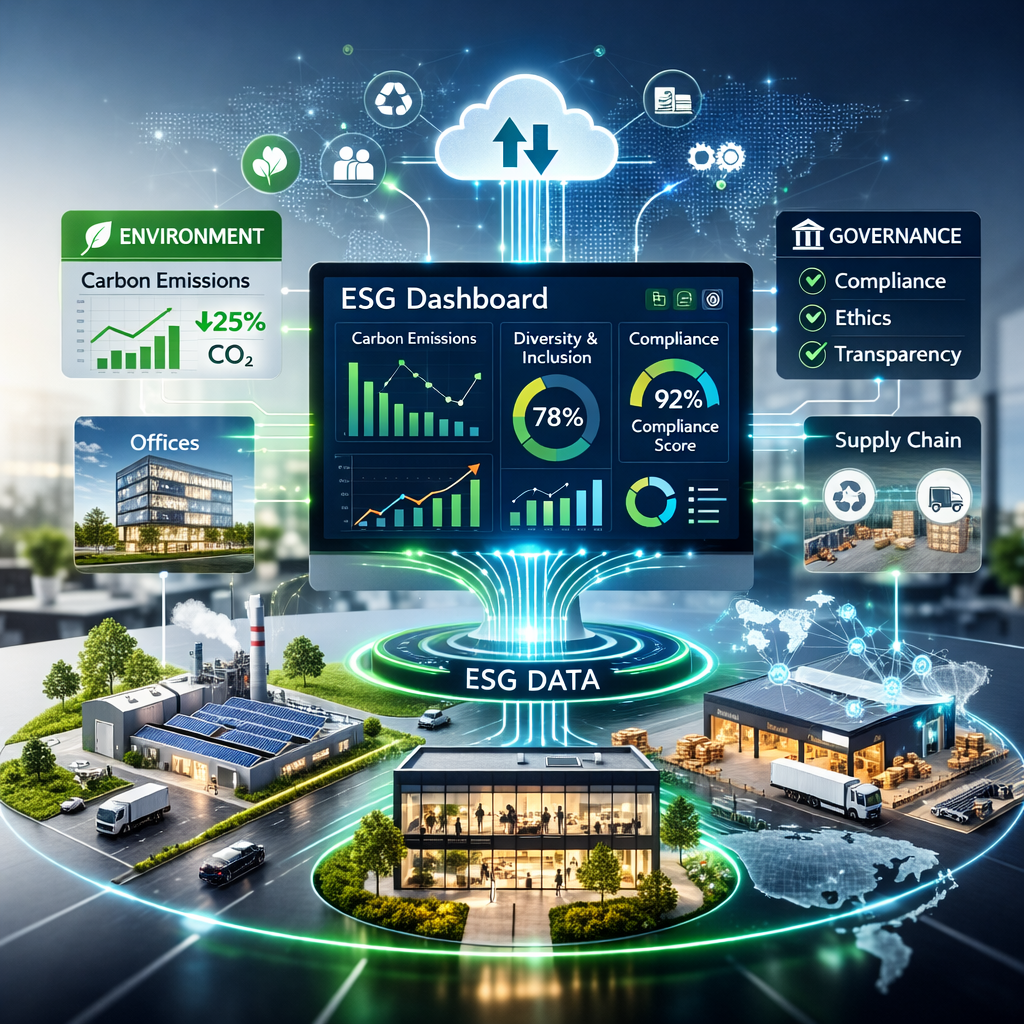
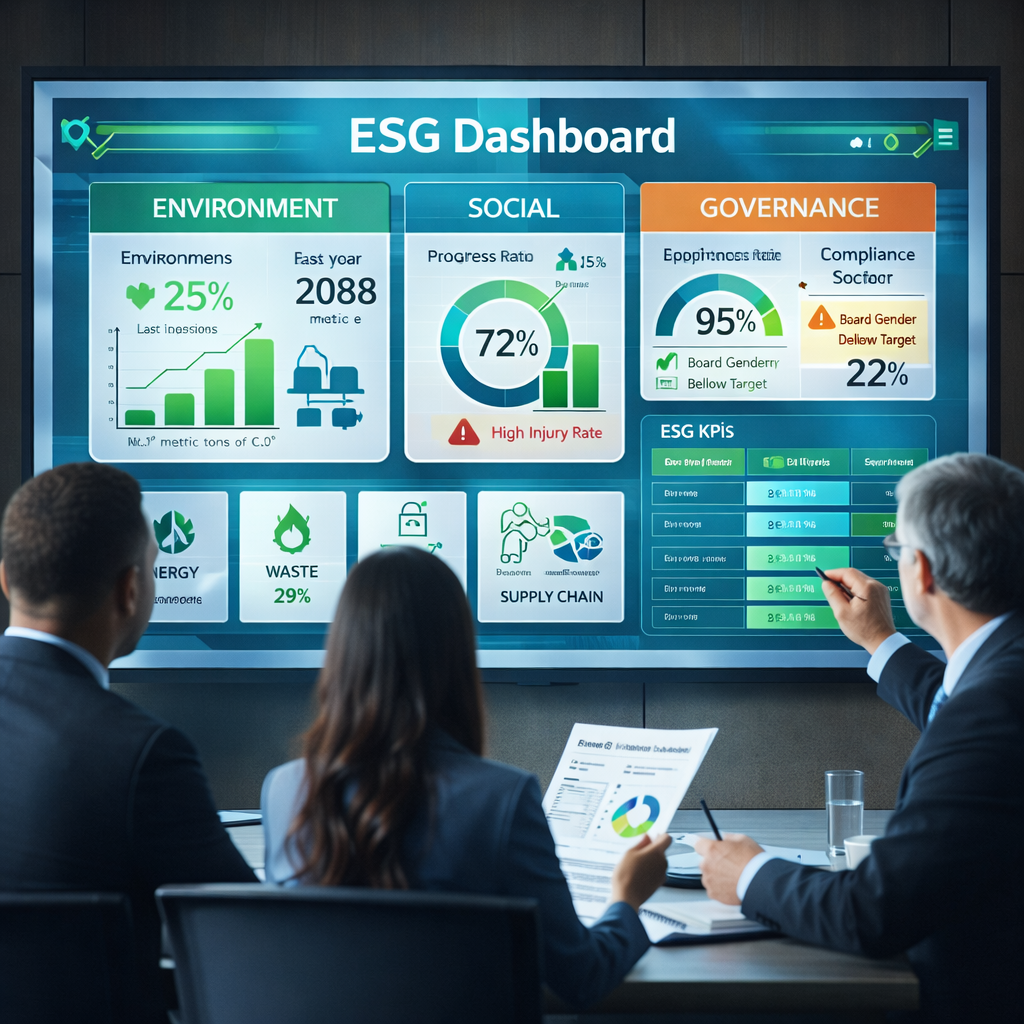
Sustainability analytics delivers the greatest value when aligned with broader business objectives. When ESG metrics are integrated into enterprise performance management, sustainability becomes a driver of innovation and resilience.
Organizations that embed Analytics for Sustainability into strategic planning can evaluate trade-offs, prioritize investments, and measure long-term value creation.
Strategic Alignment Benefits
When sustainability analytics aligns with business strategy, organizations achieve:
Improved risk management
Stronger investor confidence
Enhanced brand reputation
Long-term operational efficiency
By connecting ESG outcomes to financial and operational performance, sustainability becomes a core business capability.
Data Governance and Trust in ESG Analytics
Trust is essential in sustainability reporting. Stakeholders expect ESG data to be accurate, auditable, and transparent. Data governance ensures ESG analytics meets these expectations.
Analytics for Sustainability relies on governance frameworks that define data ownership, quality standards, and access controls.
Governance Best Practices
Effective ESG data governance includes:
Clear accountability for data ownership
Documented data definitions and standards
Regular data quality audits
Secure access and version control
Strong governance protects organizations from reputational and regulatory risks.
Overcoming Common ESG Analytics Challenges
Despite its benefits, sustainability analytics presents challenges. Data silos, inconsistent standards, and limited analytics maturity can slow progress.
Organizations can overcome these challenges by adopting scalable data platforms, aligning teams, and investing in analytics expertise. Analytics for Sustainability succeeds when technology, processes, and people work together.
Trusted guidance from institutions such as the World Economic Forum highlights the importance of standardized ESG data practices and cross-industry collaboration.
The Future of Analytics for Sustainability
The future of sustainability analytics lies in predictive and prescriptive capabilities. Advanced analytics, machine learning, and scenario modeling will enable organizations to anticipate sustainability risks and opportunities before they emerge.
Analytics for Sustainability will increasingly support climate risk modeling, supply-chain resilience, and long-term scenario planning. As regulations and stakeholder expectations evolve, analytics will remain the foundation for credible ESG strategies.
Organizations that invest early in sustainability analytics will be better positioned to adapt, innovate, and lead.
How Engine Analytics Supports Sustainability Goals
Engine Analytics helps organizations design, implement, and scale data platforms that support ESG initiatives. By integrating sustainability data into enterprise analytics ecosystems, businesses gain clarity, control, and confidence.
Explore how our analytics capabilities support sustainability initiatives by visiting our services page. To discuss your sustainability analytics needs, reach out through our contact page.
You can also learn more about our approach to data-driven transformation on the Engine Analytics .
Conclusion: Turning ESG Data Into Sustainable Impact
Sustainability is no longer optional. Organizations must demonstrate measurable progress, transparency, and accountability. Analytics for Sustainability provides the tools and insights needed to transform ESG commitments into measurable outcomes.
By investing in robust data platforms, automated reporting, and advanced analytics, organizations can align sustainability with business success. The journey toward sustainable growth starts with trusted data and actionable insights.
Discover how Engine Analytics can help you build a scalable, data-driven sustainability strategy.