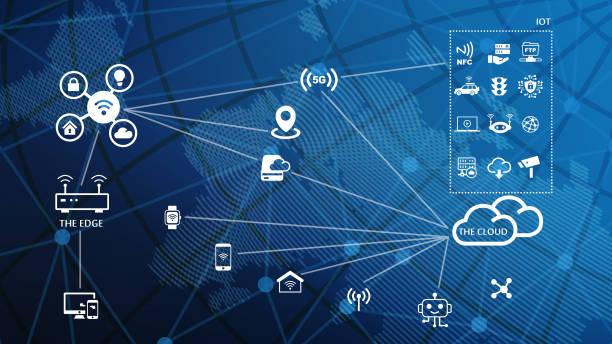
Data is no longer created in a single place. It flows from sensors, devices, applications, machines, and users—constantly and everywhere. As organizations push for faster insights and smarter automation, traditional centralized analytics models are showing their limits. This is where Edge Computing in 2026 becomes a defining shift.
Rather than sending all raw data to centralized clouds or warehouses, edge computing moves intelligence closer to where data is generated. The result is faster decisions, lower costs, improved reliability, and entirely new use cases that were previously impossible.
In this article, we explore how Edge Computing in 2026 is reshaping analytics, why edge analytics is becoming essential, and how businesses can architect scalable, future-proof systems that balance edge and cloud intelligence.
What Is Edge Computing—and Why 2026 Is the Tipping Point
Edge computing refers to processing data at or near the source of generation instead of relying solely on centralized infrastructure. This could mean:
-
On-device processing (sensors, cameras, machines)
-
On-premise gateways
-
Local edge servers
-
Micro data centers close to operations
What makes Edge Computing in 2026 different from earlier iterations is maturity. Hardware is cheaper and more powerful, software orchestration is standardized, and businesses now demand real-time data processing as a baseline, not a luxury.
Key drivers accelerating adoption include:
-
Explosion of connected devices
-
Rising cloud egress and latency costs
-
Operational need for instant decision-making
-
Increased regulatory and data-sovereignty pressures
By 2026, edge computing is no longer experimental—it is a core part of modern data strategy.
Why Centralized Analytics Alone No Longer Works
Traditional analytics pipelines were designed for batch processing and historical analysis. While still valuable, they struggle in environments that require immediate action.
Common limitations include:
-
Latency caused by transmitting large data volumes
-
Bandwidth constraints and rising costs
-
Fragility when connectivity is unstable
-
Delayed insights that arrive too late to matter
Edge Computing in 2026 directly addresses these constraints by enabling low-latency analytics where milliseconds matter.
For industries like manufacturing, energy, logistics, healthcare, and retail, this shift is not optional—it is operationally critical.
Edge Analytics: Turning Data Into Decisions Instantly
At the heart of this transformation is edge analytics. Instead of forwarding raw data upstream, analytics models run directly at the edge, filtering, aggregating, and acting on data locally.
This enables:
-
Immediate anomaly detection
-
Real-time alerts and automated responses
-
Reduced data volumes sent to the cloud
-
Higher data quality for centralized reporting
In Edge Computing in 2026, analytics becomes layered:
-
Edge layer for instant decisions
-
Regional layer for near-real-time coordination
-
Central cloud layer for strategic analysis and AI training
This layered approach is fundamental to modern distributed computing architecture.